Billy wallson
Senior DirectorA village church bell rings thirteen times at midnight, and only one person hears it—until she does not.
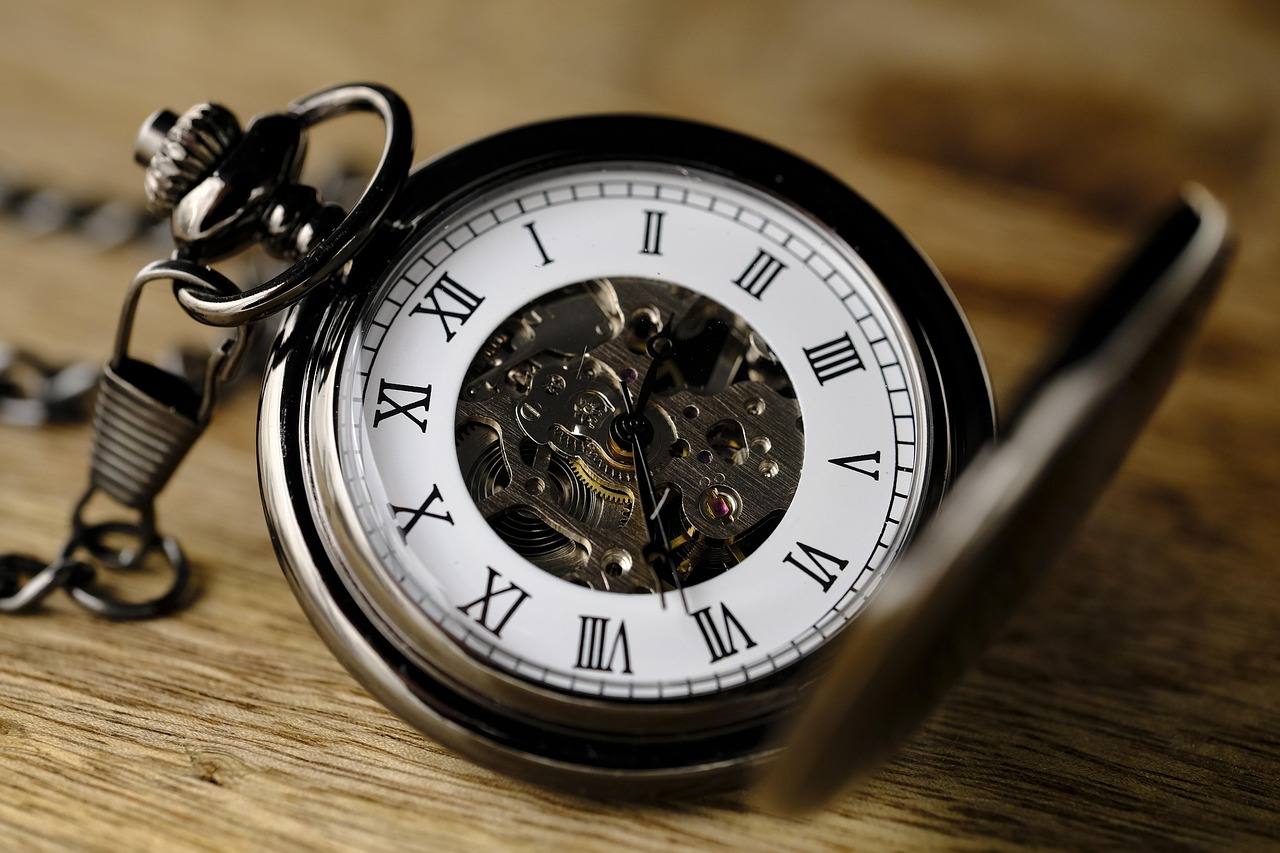
The shop smelled of brass shavings and linseed oil, and young Josef had learned to read the hours not by the clocks on the walls but by the sounds the workshop made. At dawn, the regulator clock ticked like a slow heartbeat. By noon, the cuckoo clock above the door grew restless, its tiny bird twitching on its perch. And at dusk, when the light through the tall windows turned the color of weak tea, the shop fell nearly silent, as though the clocks themselves were holding their breath.
Master Havlík had taken Josef in three winters ago, after the boy's father died of fever and his mother sent him to the city with a bundle of clothes and a note of introduction. Josef had expected to sweep floors and carry coal. Instead, the old clockmaker handed him a loupe on the first day and told him to look closely at things. "A clock is not a machine," Havlík said, tapping the brass gears of a half-finished movement. "It is a promise. Someone promised someone else that they would come back at a certain hour. We keep that promise for them."
For two years, Josef believed this was merely the sentimentality of an old man. Then came the commission of the anniversary clock.
The woman who brought it in wore mourning black and carried the clock wrapped in a shawl as though it were an infant. She set it on the counter and unwrapped it slowly. It was a beautiful piece, rosewood and glass, with a rotating pendulum and a face of enameled white. Havlík drew in his breath when he saw it. He turned it over, examined the maker's mark, and his hands began to tremble slightly.
"This clock has been in your family a long time," he said. It was not a question.
"My grandmother's," the woman said. "It stopped the night my mother was born. My grandmother always said it would start again when the family needed it."
Havlík nodded slowly. He asked her to leave it with him for a week. When she had gone, he locked the shop door, turned the sign to closed, and sat down heavily on his stool. Josef had never seen him look so old.
"You will help me," Havlík said. "And you will not ask why."
For seven days, they worked on the clock. Havlík taught Josef to clean each gear with a soft brush and a whisper of oil, to check each spring for the faintest hairline crack, to set the escapement so precisely that a single breath could disturb it. On the sixth night, Josef woke to find the old man sitting alone at the workbench, the clock open before him, tears running down his face. Josef pretended to be asleep. In the morning, Havlík said nothing.
On the seventh day, the woman returned. Havlík wound the clock, set the pendulum swinging, and stepped back. The clock ticked. Then it chimed—a low, clear note that seemed to come from somewhere deeper than the mechanism itself. The woman's hands flew to her mouth. Havlík bowed his head.
"It will run for one year," he said. "Perhaps two. Then it will stop again, and you must not wind it. It is not a clock to be wound for convenience. It is a clock to be kept for what it remembers."
Years later, when Josef had his own shop and his own apprentices, he would sometimes tell the story of the anniversary clock. He never explained what Havlík had done that week, because he was not certain himself. He only knew that some clocks were not built to tell time but to hold it, the way a hand can cup water from a stream for just a moment before it runs through the fingers.
He kept a small sign above his workbench, in the same spot where Havlík had kept his. It read: Every hour is borrowed. Return it gently. His apprentices thought it was a motto about craftsmanship. Josef never corrected them. Some lessons, he had learned, are best left ticking quietly in the background, waiting for the right moment to chime.

In 1889 Prague, a young apprentice discovers that his master's most prized clock does not measure time—it remembers it.

A clock inherited from a mapmaker runs backward, and the daughter who winds it discovers why.
A lighthouse keeper writes a letter to a woman he has never met, knowing it will arrive decades after he is gone.

In 16th-century Lisbon, a mapmaker's daughter discovers a coastline that does not exist—and realizes her father put it there on purpose.

A village church bell rings thirteen times at midnight, and only one person hears it—until she does not.

A lighthouse keeper writes a letter to a woman he has never met, knowing it will arrive decades after he is gone.

Copyright © 2026 Sundial Stories. All Rights Reserved.


Roseanne Williams
Sep 20, 2026 ReplyIn 1889 Prague, a young apprentice discovers that his master's most prized clock does not measure time—it remembers it.