Billy wallson
Senior DirectorA lighthouse keeper writes a letter to a woman he has never met, knowing it will arrive decades after he is gone.
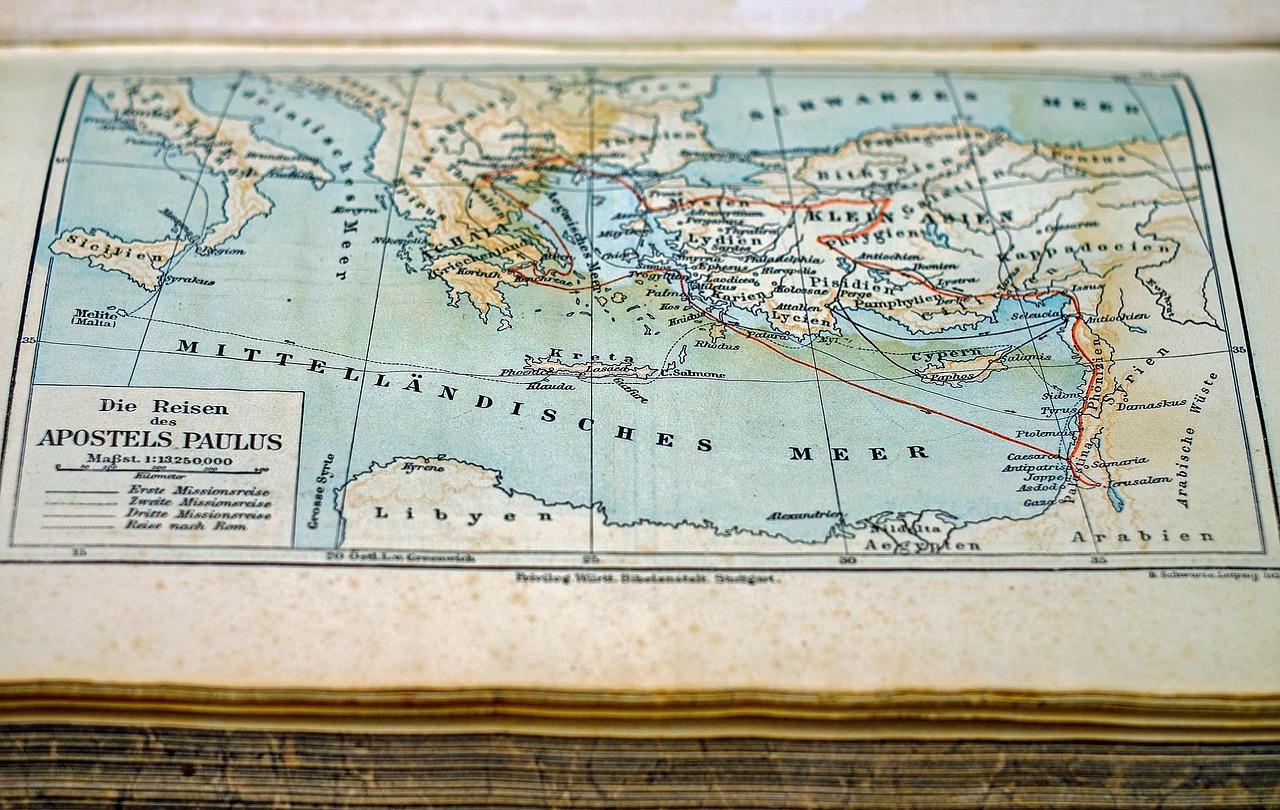
Beatriz had grown up among maps the way other children grow up among trees. She knew the smell of vellum and ink the way she knew the smell of bread. She knew that the Cape of Good Hope was drawn with a particular flourish, that the Moluccas were always shaded in a slightly different blue, that her father hummed when he was pleased with a coastline and fell silent when he was not.
Her father, Tomás Ferreira, was the most respected cartographer in Lisbon. His maps hung in the houses of merchants and navigators and, once, in the palace itself. He had sailed to the Indies as a young man, had drawn the first accurate chart of the Strait of Malacca, had lost two fingers to frostbite in a voyage he never spoke about. Now he worked from memory and from the reports of sailors, and his maps were prized because they were true.
But Beatriz had found something that was not true. She had found it by accident, while copying a map for a client who wanted a decorative version for his study. She had traced the coastline of Africa, the bulge of Brazil, the scattered islands of the Caribbean. And then, in the far south, below the latitude where the ships turned back, she had found a line that did not belong. It was drawn in her father's hand, but it did not match any chart she had ever seen. It was a coastline where there should have been open ocean.
She asked him about it that evening, as he sat by the fire with his pipe. He did not look up. "It is nothing," he said. "A mistake. I will correct it." But he did not correct it. The next week, she found the same coastline on another map, in the same hand, in the same place. And the week after that, she found it again.
Beatriz began to watch her father more closely. She noticed that he kept a locked drawer in his desk, and that he sometimes sat at it late at night, writing in a small book that he never showed anyone. She noticed that he grew quiet when ships returned from the south, and that he asked the captains the same questions, over and over: Did you see land? Did you see anything that was not on the chart? And she noticed that he always seemed disappointed by the answers.
One night, when he was asleep, she picked the lock on the drawer. Inside, she found the small book, and she read it by candlelight. It was a journal, written over many years, and it told a story she had never heard. Her father had not lost two fingers to frostbite. He had lost them to a storm, on a voyage that had gone further south than any ship had gone before. And in that far southern sea, he had seen a coast. He had seen mountains and trees and a river emptying into the ocean. He had drawn it in his log, and he had shown it to his captain, and the captain had ordered him to say nothing. The coast was not to be claimed, the captain said. Not yet. Not by them.
Her father had obeyed. He had returned to Lisbon, and he had drawn maps that left the coast out. But he had never forgotten it. He had drawn it in secret, again and again, on the edges of maps that were meant to be true. He had drawn it as a kind of prayer, a hope that someone else would find it, that the coast would not be lost.
Beatriz closed the book and sat in the dark for a long time. She thought about her father, who had spent his life making maps that were true, and who had spent his life hiding a truth that was not yet ready to be told. She thought about the coast, which existed whether it was on a map or not, and about the sailors who would one day find it, and about the maps that would one day show it.
In the morning, she did not tell her father what she had read. She simply took her place beside him at the workbench, and she began to draw. She drew the coastline of Africa, the bulge of Brazil, the scattered islands of the Caribbean. And then, in the far south, below the latitude where the ships turned back, she drew a line that did not belong. Her father watched her, and said nothing. But she saw his hand, the hand with the missing fingers, rest gently on the edge of the table, and she saw it tremble, just once.
Years later, when the coast was finally found, and the maps were finally corrected, the cartographers of Lisbon would argue about who had drawn it first. Some said it was a Portuguese captain, some said a Spanish one, some said a man whose name had been lost. But Beatriz knew. She had seen the line in her father's hand, drawn over and over, in secret, in hope. And she had drawn it too. That was how the truth survived. Not in one map, but in many, drawn quietly, by people who were not ready to be remembered.

A village church bell rings thirteen times at midnight, and only one person hears it—until she does not.

In 1889 Prague, a young apprentice discovers that his master's most prized clock does not measure time—it remembers it.
In 1889 Prague, a young apprentice discovers that his master's most prized clock does not measure time—it remembers it.

A lighthouse keeper writes a letter to a woman he has never met, knowing it will arrive decades after he is gone.

A lighthouse keeper writes a letter to a woman he has never met, knowing it will arrive decades after he is gone.

A woman in present-day Tokyo discovers that the hour before dawn has a door in it, and that the door leads to her grandmother's kitchen in 1953.

Copyright © 2026 Sundial Stories. All Rights Reserved.


Roseanne Williams
Sep 18, 2026 ReplyIn 16th-century Lisbon, a mapmaker's daughter discovers a coastline that does not exist—and realizes her father put it there on purpose.